HVAC, or heating, ventilation, and air conditioning, plays a crucial role in maintaining comfortable indoor environments throughout the year. Understanding how to choose the right HVAC contractor is essential for ensuring efficient and reliable climate control in your home or business. Regular maintenance, timely repairs, and system upgrades are vital for optimal performance. If you want to explore more about HVAC services, for valuable insights and options.
Modern HVAC systems are designed to improve indoor air quality while effectively managing temperature and humidity levels. Whether you need air conditioning maintenance in summer or furnace repair during winter, a skilled HVAC company can provide the necessary expertise to keep your systems running smoothly. This article will delve deeper into HVAC fundamentals and what you need to look for when selecting a provider learn more.
Steps to Take for Effective HVAC Management
- Identify your specific heating and cooling needs based on the size of your space and intended use. This initial assessment helps determine whether to install a centralized system or opt for individual units like mini splits.
- Research local HVAC contractors by looking at customer reviews, ratings, and their history in the business. Choose providers with a proven track record of responsible service.
- Contact potential contractors to discuss your requirements and request formal quotes. Take note of their willingness to answer questions and provide information about their services.
- Schedule routine maintenance appointments to keep your HVAC system in peak condition. Regular check-ups can identify issues early and prevent larger problems from developing.
- Implement a maintenance schedule for air filter changes and duct cleaning to enhance air quality and system efficiency.
- Inquire about energy-saving options and improvements that can reduce your monthly utility costs. Smart thermostats, for example, can help efficiently manage your heating and cooling settings.
Comprehending HVAC Fundamentals
The HVAC systems are advanced technologies that take care of heating, cooling, and ventilation in both residential and commercial spaces. These systems include a range of elements, such as air conditioners, heaters, ducts, and ventilation setups, all designed to function collectively for optimal indoor comfort. The effectiveness of an HVAC system impacts not just energy efficiency but also plays a vital role in ensuring high indoor air quality.
For areas with warm climates, air conditioning is crucial for keeping indoor spaces cool. Air conditioning units work by pulling out heat and humidity from the interior air to create a cooler and more enjoyable living space. Conversely, in colder climates, heating systems like furnaces or heat pumps become essential for providing warmth. Ventilation remains important, ensuring a steady flow of clean air while removing pollutants and preventing issues like mold growth.
Different Types of HVAC Systems
Numerous types of HVAC systems exist, each constructed for specific purposes and circumstances. Among the most well-known are centralized systems, which connect various rooms through ductwork, and decentralized systems, such as mini-splits that operate on their own in individual areas. Identifying the right type for your needs is crucial. While centralized systems tend to be more effective for large spaces, mini splits offer specific cooling or heating solutions that are ideal for smaller rooms or additions.
Choosing the Right HVAC Contractor
Determining the best HVAC contractor requires attention to their standing in the industry and their level of expertise. Start by exploring local companies that have garnered favorable reviews and ratings, especially those celebrated for their proficiency in air conditioning repairs and maintenance services. Confirm their qualifications by looking for relevant certifications and licenses. Additionally, select contractors with extensive experience across various HVAC systems, including advanced technologies such as smart thermostats and zoning systems.
Homeowners often find it beneficial to collect several quotes before making a final choice. This practice helps you evaluate the different services and prices offered, making it easier to discern which contractor provides the best value. During your consultations, it's essential to discuss their maintenance philosophies, capabilities for handling emergency repairs, and insights into energy-efficient installations. A reliable contractor will not only provide clear pricing details but will also inform you about energy-saving options and suggest the most suitable systems for your individual needs.
Importance of Regular Maintenance
Regular maintenance is essential for keeping HVAC systems running efficiently and can significantly extend their lifespan. Homeowners should schedule routine inspections at least once a year for both heating and cooling systems. This proactive approach helps avoid unexpected failures and costly repairs, especially during peak seasons. Technicians will check for issues such as clogged air filters, which limit airflow, and inspect the ductwork for leaks that can negatively impact system performance and energy efficiency.
During maintenance visits, HVAC professionals also clean the components of the system, ensuring that dirt and debris do not accumulate. This cleaning process includes air duct cleaning, which is vital for ensuring optimal airflow and reducing allergens indoors. Well-maintained systems are generally more efficient, which can lead to lower utility bills and a reduced carbon footprint.
HVAC systems are complex but understanding their operation and maintenance can empower homeowners to make informed decisions regarding their heating and cooling requirements. Consulting with an HVAC expert will ensure that you receive the guidance necessary for lasting comfort in your space.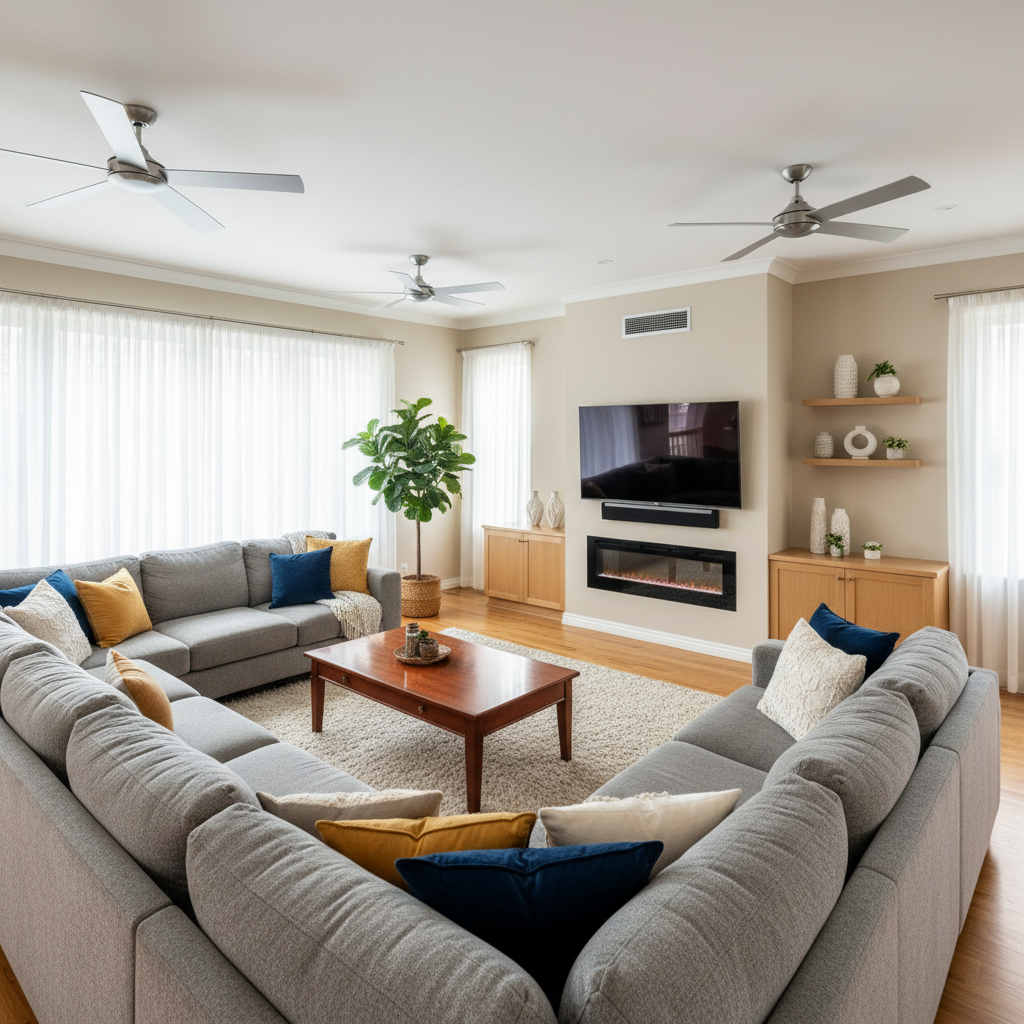 Holiday HVAC Contractorair cond repair
Frequently asked questions
What is HVAC?
The term HVAC stands for heating, ventilation, and air conditioning. This system is crucial for controlling indoor climate by adjusting air temperature, humidity, and quality to create comfortable living spaces.
How do I choose a HVAC provider?
Choosing the right HVAC provider involves conducting thorough research on their reputation, reading customer reviews, comparing service quotes, and confirming that they hold the appropriate licenses and certifications.
How much does HVAC cost?
Costs for HVAC systems can vary widely based on the type of system, its size, energy efficiency standards, and installation specifics. On average, system prices can range from a few thousand to tens of thousands of dollars, including installation fees.
What are the signs I need air conditioning repair?
You may need air conditioning repairs if you notice symptoms such as insufficient cooling, unexpected noises from the unit, or a marked increase in your energy bills, which could indicate system inefficiencies.
How often should I maintain my HVAC system?
For optimal performance and longevity, it is recommended to have your HVAC system professionally maintained at least once per year for both heating and cooling functionalities.
Maintaining a comfortable and healthy indoor environment requires a solid understanding of HVAC systems and the importance of working with qualified contractors. From air conditioning maintenance to effective heating solutions, a proactive approach can save time, money, and stress.
By selecting the right HVAC provider and prioritizing regular maintenance, homeowners can ensure their systems operate efficiently and effectively, providing comfort for many years to come.